Common Causes of Cracks in Poured Concrete Walls
To address common causes of cracks in poured concrete walls, local contractors can assess damage and provide effective repair solutions to restore stability and prevent further issues.
Understanding the common causes of cracks in poured concrete walls is essential for property owners who want to maintain the integrity and safety of their structures. Cracks can develop for a variety of practical reasons, including soil movement, improper curing, or shifts caused by weather fluctuations. Recognizing these factors can help owners identify potential issues early and consider the benefits of professional repair services to address damage before it worsens. Local contractors experienced in poured wall repair are equipped to assess the specific causes of cracks and recommend effective solutions tailored to the unique needs of each property.
Exploring why cracks form in poured concrete walls can also shed light on how to prevent future damage. Soil settling or expansive ground conditions are common contributors, especially in areas with shifting terrain. Additionally, issues during the initial pouring process, such as uneven curing or insufficient reinforcement, may lead to weaknesses over time. Property owners in the area seeking reliable repair options can connect with service providers who specialize in diagnosing these causes and restoring structural stability. Keeping informed about these common issues helps ensure that local experts can deliver the appropriate repairs to keep poured concrete walls strong and durable.
- Concrete poured wall repair services are often needed when cracks develop due to soil settlement and shifting foundations, with local contractors addressing these issues through targeted stabilization techniques. When freeze-thaw cycles cause expansion and contraction, local service providers can evaluate and repair cracks to prevent further damage. Water infiltration resulting from poor drainage or cracks can lead to deterioration, prompting local pros to seal and reinforce affected areas. Structural stress from nearby construction or heavy loads may cause cracking, and experienced contractors can assess and perform repairs to restore wall integrity. Hairline or wide cracks caused by age or material shrinkage are common issues that local repair specialists can resolve to maintain wall stability.
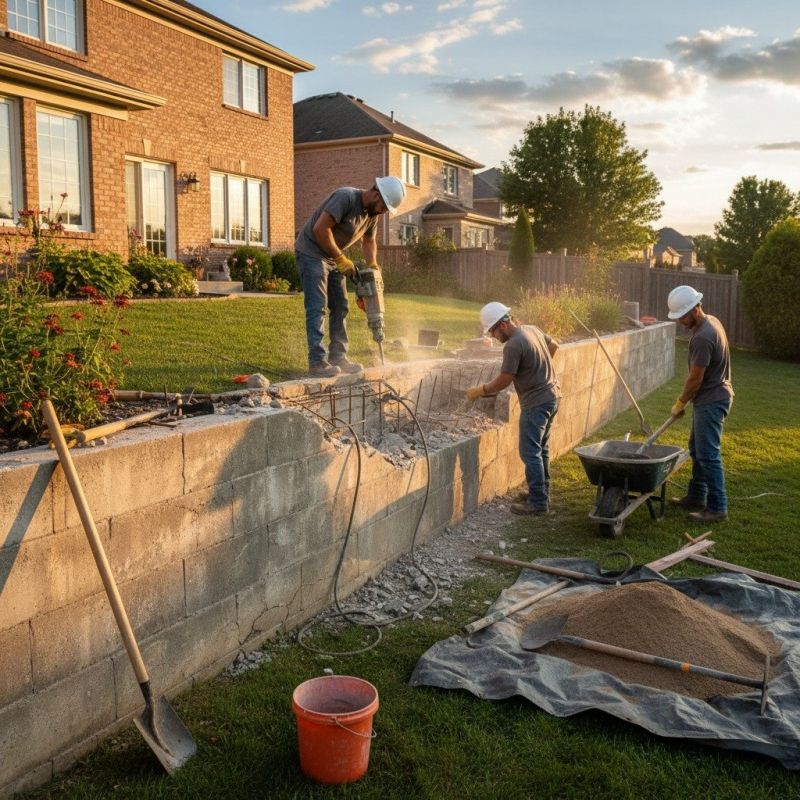
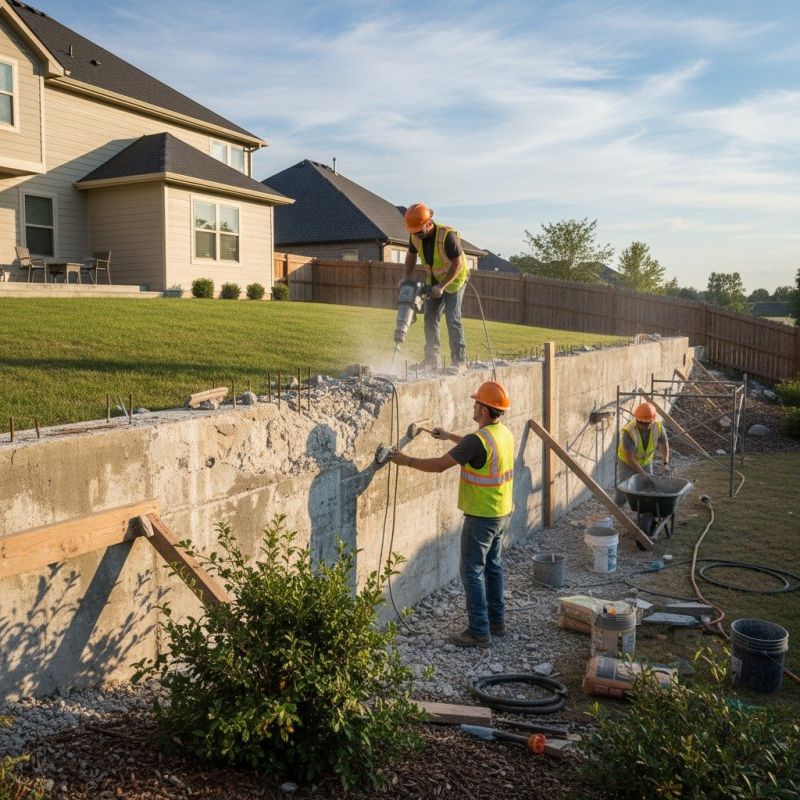
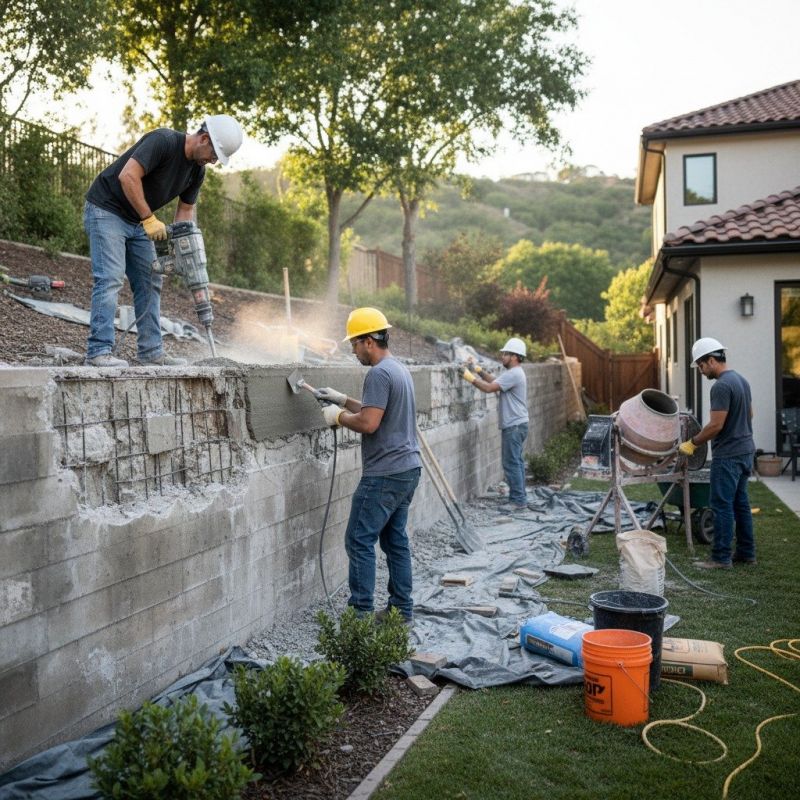
Understanding the common causes of cracks in poured concrete walls is a key step for homeowners facing structural concerns or planning repairs. When people search for this topic, they typically want to identify why cracks are appearing in their basement or foundation walls, often to determine if the damage is serious or manageable. Cracks can be a sign of underlying issues like shifting soil, water pressure, or improper installation, and recognizing these causes helps homeowners decide whether to seek professional repair services. Knowing the root causes also informs future construction or reinforcement plans, aiming to prevent similar problems down the line.
Cracks in poured concrete walls are often linked to the natural settling of the property or external forces acting on the structure. For example, soil movement-either expansion or contraction-can exert pressure on foundation walls, leading to cracks over time. Water-related issues, such as hydrostatic pressure from saturated soil, can push against the concrete, causing stress and fractures. Additionally, improper curing or mixing of concrete during installation can create weak spots that are more prone to cracking. Homeowners with these types of problems may notice vertical, horizontal, or diagonal cracks, each indicating different issues that require assessment by experienced concrete repair contractors.
Certain types of properties are more likely to experience cracks in poured concrete walls due to their construction, location, or age. Basements in homes built on expansive clay soils are especially vulnerable, as soil movement is common in such environments. Commercial buildings with large, poured concrete retaining walls may also face cracking from high lateral pressure or inadequate reinforcement. Additionally, older homes with poured concrete foundations might develop cracks from years of settling or minor shifts in the terrain. When these issues occur, local concrete poured wall repair service providers can evaluate the damage and recommend appropriate solutions to restore structural integrity.
Addressing the common causes of cracks in poured concrete walls involves understanding how external factors and construction practices influence the structure. Homeowners should be aware that cracks caused by soil movement, water pressure, or improper construction are typically best handled by experienced local contractors who specialize in foundation and wall repairs. These professionals can assess the severity and origin of the cracks, then recommend repairs that stabilize the wall and prevent further damage. Connecting with reputable service providers ensures that the repair work is suited to the specific cause, helping to protect the property’s foundation and maintain its value over time.
Foundation Repair - Professionals in foundation repair handle issues related to settlement and movement that can cause cracks similar to those in poured concrete walls.
Structural Reinforcement - Contractors specializing in structural reinforcement work on strengthening concrete elements, addressing crack issues caused by internal stresses.
Waterproofing Services - Waterproofing experts help prevent water intrusion that can lead to cracking and deterioration in poured concrete walls.
Concrete Restoration - Concrete restoration specialists focus on repairing and restoring cracked or damaged concrete surfaces, utilizing similar skills and tools.
Drainage System Installation - Installing proper drainage systems helps reduce hydrostatic pressure, a common cause of cracks in poured concrete walls.
Soil Stabilization - Soil stabilization services prepare and strengthen the ground around foundations, preventing movement that results in cracks in poured concrete walls.
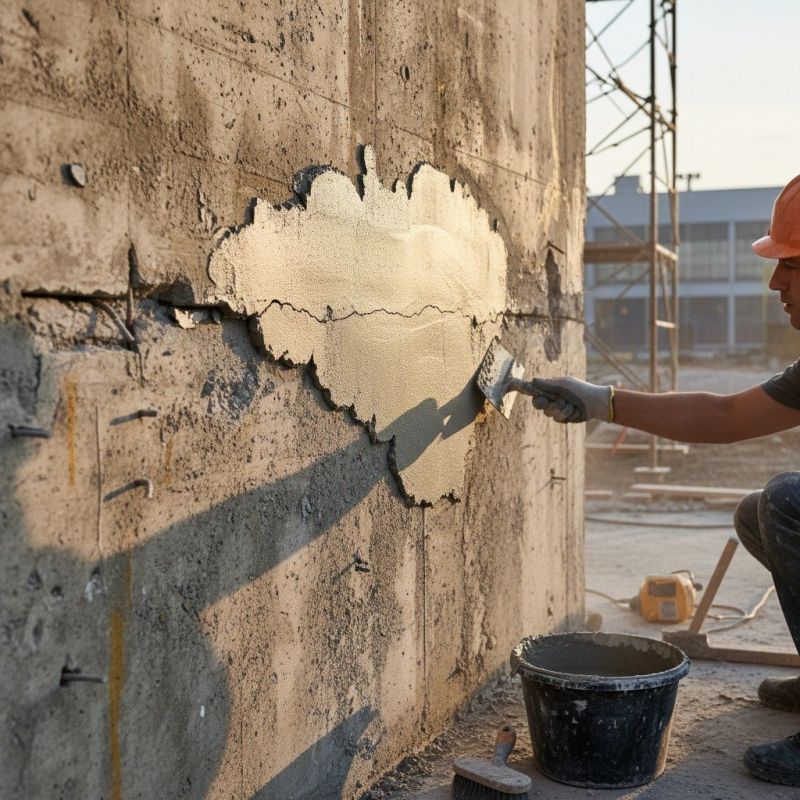
When comparing service providers for concrete poured wall repair, it’s important to consider their experience with similar projects. Homeowners should look for local contractors who have a proven track record of addressing common causes of cracks in poured concrete walls, such as settlement, soil movement, or water infiltration. An experienced contractor will understand the nuances of these issues and be better equipped to diagnose the root causes accurately, which can lead to more effective and lasting repairs. Gathering information about their previous work on comparable projects can help ensure that the chosen service provider has the practical knowledge needed to handle the specific challenges posed by cracked poured concrete walls.
Clear written expectations are essential when evaluating potential service providers. Homeowners should seek detailed descriptions of the scope of work, the repair methods proposed, and the materials that will be used. A reputable local contractor will be able to provide a transparent outline of what the repair process entails, helping to prevent misunderstandings or surprises later on. This clarity allows homeowners to compare different options more effectively and ensures that everyone is aligned on the goals of the repair, especially when addressing common causes of cracks that may require specific solutions such as crack injection, wall stabilization, or waterproofing.
Reputable references and good communication are also key factors in selecting a reliable contractor. Homeowners should ask for references from previous clients who had similar issues with poured concrete walls, particularly those related to common causes of cracks. Speaking with past customers can provide insight into the contractor’s ability to deliver quality results and handle unexpected challenges. Additionally, a service provider’s responsiveness and willingness to answer questions throughout the process reflect their professionalism and commitment to customer satisfaction. Effective communication ensures that homeowners stay informed about the progress and understand the repair options available, leading to a smoother experience when addressing cracks in poured concrete walls.
Property owners often search for common causes of cracks in poured concrete walls when they are planning practical projects around their homes and businesses. Local pros provide Concrete Poured Wall Repair services for everyday jobs and straightforward project options.
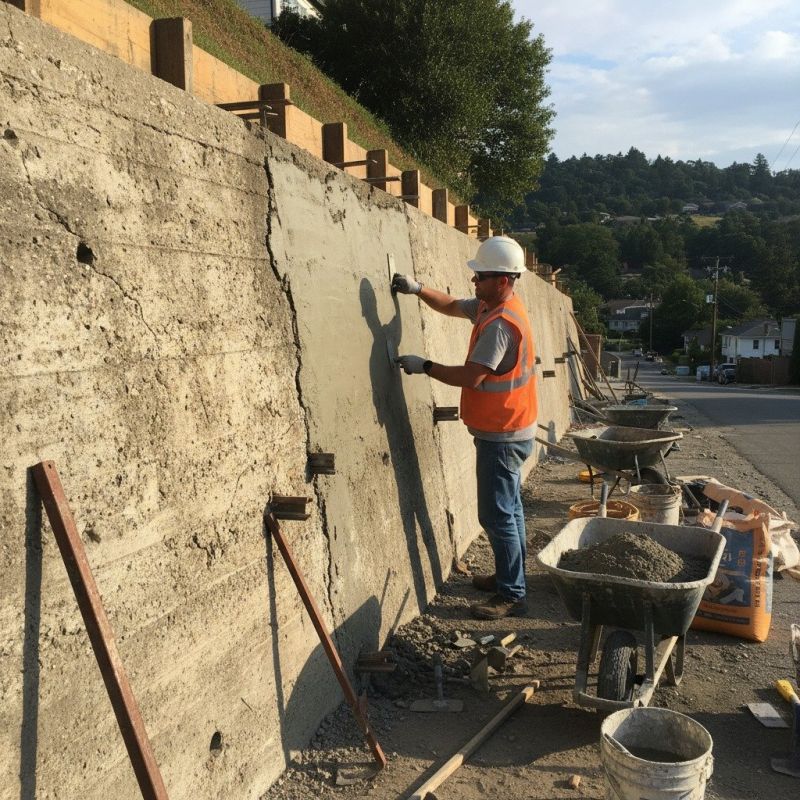
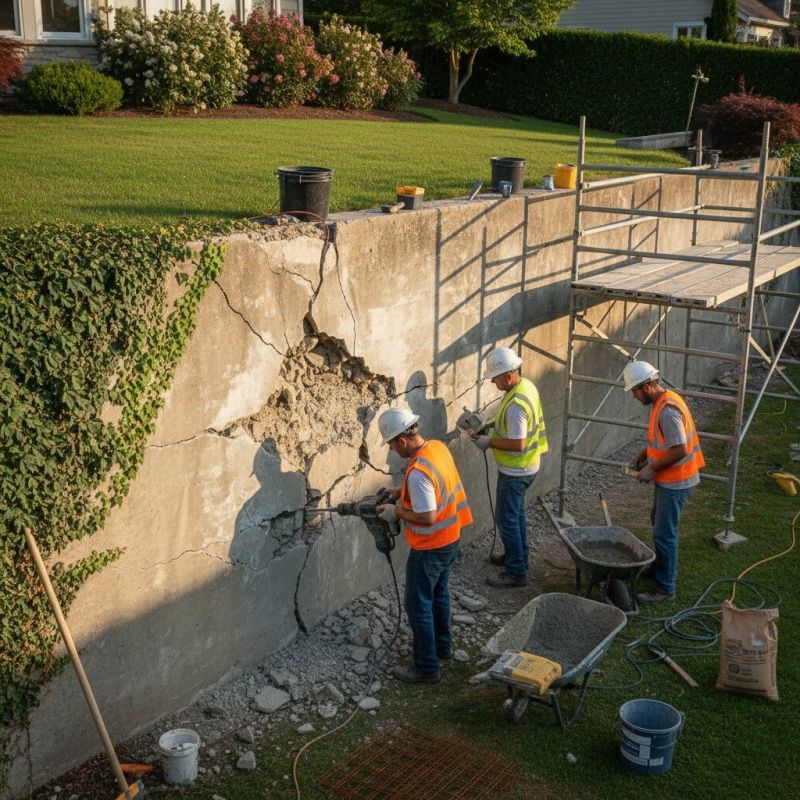
Understanding the common causes of cracks in poured concrete walls can help property owners identify potential issues early on. In many cases, simple factors like soil settling or shifting beneath the foundation can create pressure that leads to cracking. Additionally, improper mixing or pouring of concrete during construction can result in weak spots that develop cracks over time. Weather conditions, such as freeze-thaw cycles or excessive moisture exposure, also play a role in weakening concrete walls and causing fractures. Homeowners noticing cracks may consider reaching out to local contractors who specialize in poured wall repair to assess the damage and determine the best course of action.
Other frequent reasons for cracks include structural stresses from nearby construction or landscaping activities, which can put additional pressure on the walls. Poor drainage around the property can lead to water buildup and soil expansion, further stressing the concrete. Over time, natural aging and repeated temperature fluctuations may also contribute to the development of cracks. When cracks appear, it’s often advisable to consult experienced local service providers who can evaluate the cause and provide appropriate repair solutions. These professionals have the expertise to address issues caused by these common factors and help restore the integrity of poured concrete walls.
What are common causes of cracks in poured concrete walls? Common causes include soil movement, improper curing, and structural stress, which can lead to cracking over time. Local contractors experienced in poured wall repair can assess the underlying issues and recommend appropriate solutions.
How does soil movement contribute to cracks in poured concrete walls? Soil shifting or settling can exert pressure on the wall, causing cracks to develop. Professional repair services can stabilize the foundation and address any ongoing soil-related issues.
Can improper curing of concrete lead to cracking? Yes, inadequate curing can cause the concrete to weaken and crack as it dries unevenly. Local service providers can evaluate the wall and perform repairs to prevent further damage.
What role does structural stress play in cracking poured concrete walls? Excessive loads or shifting structural elements can induce stress, resulting in cracks. Experienced contractors can reinforce the wall and repair existing cracks to restore stability.
Are environmental factors responsible for cracks in poured concrete walls? Environmental conditions like temperature fluctuations and moisture changes can cause expansion and contraction, leading to cracks. Local pros can identify these issues and perform necessary repairs to maintain wall integrity.
Soil movement - Property owners can consider proper grading and drainage solutions to minimize soil shifting that causes cracks in poured concrete walls, with local contractors providing expertise.
Water intrusion - Installing proper waterproofing and drainage systems can help prevent water-related stress on walls, and local service providers can assist with these upgrades.
Improper curing - Ensuring correct curing methods during construction reduces cracking risks, and experienced contractors can advise on best practices for concrete curing.
Structural overload - Avoiding excessive loads or pressure on poured walls can prevent cracks, with local pros offering structural assessments and reinforcement options.
If you are thinking about common causes of cracks in poured concrete walls for a property, this guide is meant to help you understand this topic, the typical project types, and how different options might fit your plans.
When you are ready, you can use the quote form on this page to share a few details about your project. From there, local pros can review the basics and follow up with options that match what you have in mind.