
Top Products For Seawall Repairs To Strengthen Coastal Defenses
Discover the most reliable seawall repair products designed to protect your shoreline and prevent erosion effectively.
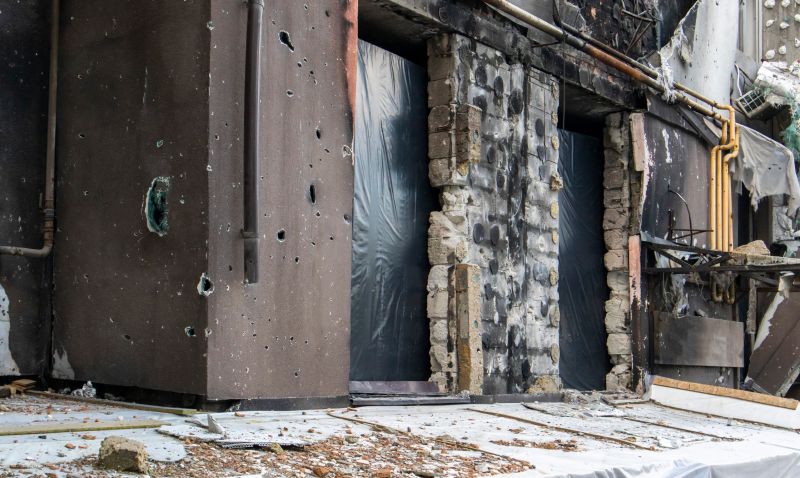 Seawalls serve as essential structures that protect shoreline properties and infrastructure from erosion and wave impact. Repairing and maintaining these structures is crucial to ensure their longevity and effectiveness. A variety of products are available to address different repair needs, from patching cracks to reinforcing entire sections. Selecting the appropriate materials depends on factors such as the severity of damage, the type of seawall, and environmental conditions. Proper application and regular inspection are vital to maximize the lifespan of seawall repairs and prevent further deterioration.
Top Overall Option
Marine-Grade Epoxy Sealant
A high-quality marine-grade epoxy sealant provides a durable and flexible solution for sealing cracks and joints in seawalls. Its strong adhesion and resistance to water, salt, and weathering make it suitable for long-term repairs. This type of sealant is easy to apply with standard tools and can be used on various surfaces including concrete, stone, and masonry. When properly applied, it helps prevent water infiltration and further structural damage, making it a versatile choice for seawall maintenance.
Types of Products For Seawall Repairs
Concrete Patching Compound
Used for filling cracks and restoring damaged sections of concrete seawalls, providing a solid base for further repairs.
Waterproof Sealant
Forms a protective barrier to prevent water penetration and reduce erosion around repair sites.
Epoxy Resin
Offers strong adhesion and structural reinforcement for cracked or broken concrete surfaces.
Polyurethane Foam
Expands to fill gaps and cracks, providing a flexible seal that accommodates movement.
Grout Mixes
Used to fill larger voids or stabilize loose sections of seawall structures.
Reinforcing Mesh
Provides additional strength when overlaying or patching large areas of the seawall.
Water-Resistant Paints
Applied as a protective coating to extend the life of repaired surfaces.
Concrete Anchors
Secure loose sections or add reinforcement to existing structures.
Flexible Sealant Tape
A temporary or semi-permanent solution for sealing joints and cracks.
Marine-Grade Caulk
Ideal for sealing small gaps and joints in seawall components.
Hydraulic Cement
Sets rapidly to stop water leaks and stabilize damaged areas.
Steel Reinforcement Bars
Used to strengthen concrete repairs and improve structural integrity.
Bituminous Coatings
Apply to protect against water infiltration and weathering.
Sandblasting Equipment
Prepares surfaces for repairs by cleaning and removing loose material.
Structural Adhesives
Bond large or heavy components during repair or reinforcement.
Popular Choices
A versatile product for patching and rebuilding damaged concrete sections of seawalls.
Commonly used for sealing joints and small cracks to prevent water ingress.
Easy to mold and apply for quick fixes on cracks and small holes.
Provides a protective layer to shield repaired areas from moisture and weather.
Flexible and durable, suitable for sealing moving joints and cracks.
Enhances the strength of patching compounds over large or compromised areas.
Popular for stopping active leaks and stabilizing damaged sections rapidly.
Designed to adhere strongly to wet or submerged surfaces for effective sealing.
Used for bonding and reinforcing concrete and masonry structures.
Provides a protective waterproof layer on the surface of seawalls.
Accommodates movement and prevents cracking in repaired structures.
Securely attach new materials or reinforcement to existing concrete surfaces.
Offers a quick, temporary seal for cracks and joints.
Prepares surfaces for optimal adhesion of repair materials.
Key Buying Considerations
- Assess the severity and extent of damage to determine the appropriate repair product.
- Choose materials compatible with existing seawall surfaces such as concrete, stone, or masonry.
- Consider the environmental exposure, including saltwater, wave action, and weather conditions.
- Select products with strong adhesion properties to ensure long-lasting repairs.
- Evaluate the flexibility of sealants and patches to accommodate structural movement.
- Look for products with proven resistance to water infiltration and weathering.
- Determine whether the repair requires quick-setting materials or those with longer curing times.
- Check compatibility with other repair materials planned for use in the restoration process.
- Consider ease of application, especially if DIY repairs are intended.
- Review manufacturer instructions and recommended surface preparations.
- Opt for products that provide a good balance between strength and flexibility.
- Ensure repair products are suitable for submerged or wet conditions if necessary.
- Factor in the size of the damaged area to select appropriately scaled materials.
- Think about future maintenance needs and select repair solutions that facilitate easy inspections.
- Consult with a professional if uncertain about the best materials for your specific seawall.